
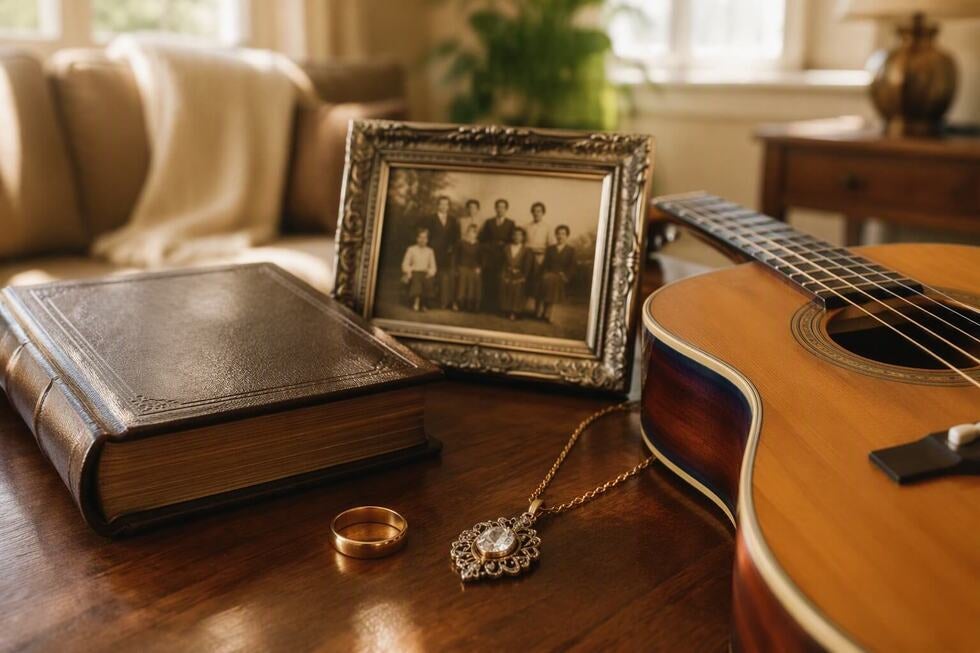
When someone dies, one of the most common questions families ask is, "What happens to all of their personal belongings?" Personal property often carries sentimental value and can be the source of confusion or disagreement among family members. Understanding how personal property is transferred after death can help loved ones avoid conflict and ensure the decedent's wishes are honored.
How is Personal Property Defined?
Personal property generally refers to movable items that a person owns, as opposed to real estate. Personal property includes furniture, jewelry, artwork, antiques, collectibles, family heirlooms, firearms, vehicles, tools, electronics, household goods, and other tangible possessions. It may also include certain intangible assets, depending on the circumstances. Unlike a home or land, personal property can typically be moved from one location to another and is often distributed differently during the estate administration process.
What Is a Personal Property Memorandum?
A Personal Property Memorandum is a separate written document that allows a person to specify who should receive particular items of tangible personal property upon their death. When properly incorporated into a Last Will and Testament, the memorandum becomes a legally recognized guide for distributing personal belongings. Rather than revising an entire will every time someone wants to change who receives a family heirloom, piece of jewelry, or collection, the individual can update the memorandum more easily.
The memorandum typically identifies specific items and the beneficiaries who should receive them. Missouri sets out the requirements of a personal property memorandum.
Missouri law permits a will to reference a separate written memorandum for tangible personal property. To be effective, the memorandum generally must:
- Be in the handwriting of the testator or signed by the testator;
- Be dated;
- Describe the items with reasonable certainty; and
- Identify the intended recipients with reasonable certainty.
§ 474.333, RSMo (2026) provides a compete definition and addresses specific terms.
When Is Personal Property Distributed During Probate?
When someone dies may family raid the hope for those desired personal items? The short answer is No. When an estate is being administered through probate, how is it distributed? Personal property is generally not distributed immediately after death. The Personal Representative (sometimes called the Executor) must first identify and safeguard estate assets, notify creditors, and determine whether estate debts, taxes, or expenses must be paid.
Once the administration process is sufficiently advanced and the Personal Representative determines that the property is not needed to satisfy estate obligations, personal property may be distributed to the beneficiaries named in the will or personal property memorandum. The timing varies from estate to estate, but distributions often occur after the inventory process is completed and creditors have had an opportunity to present claims.
What Is an Assignment of Personal Property to a Living Trust?
Individuals who create a Revocable Living Trust often sign a document called an Assignment of Personal Property. This document transfers ownership of tangible personal property from the individual to the trust. In simple terms, the assignment is intended to place personal belongings into the trust so they can be managed and distributed under the trust's terms rather than through probate. The assignment generally covers household furnishings, jewelry, collectibles, and other personal effects, although certain assets such as vehicles may require additional transfer documentation.
The assignment of personal property to a living trust is important. The signed document is included in the marshaling of trust assets and should be reviewed by the Successor Trustee before any distributions are made.
The items do not belong to a person, unless specifically identified as such in the Personal Property Memorandum. Until distributed by the Trustee according to the trust terms, those assets belong to the trust rather than to any individual beneficiary.
How Does a Trustee Marshal Personal Property After Death?
A Successor Trustee who oversees trust property is granted authority in the trust document and in Missouri statute §456.8-816 (2026 ed.)
After the death of the trust's creator (often called the Grantor or Settlor), the Successor Trustee must "marshal" the trust assets. Marshaling assets means identifying, locating, collecting, and documenting all property owned by or assigned to the trust. For personal property, this may include securing the residence, creating an inventory of belongings, obtaining appraisals for valuable items, confirming ownership, and determining which items belong to the trust. The Trustee has a fiduciary duty to preserve trust assets and ensure they are distributed according to the trust's instructions.
How Is Personal Property Distributed from a Living Trust?
The death of a surviving grantor does not automatically give beneficiaries the right to remove personal property from the residence.The trust document typically specifies how personal property should be distributed after the Grantor's death. Some trusts direct the Trustee to follow a separate written memorandum identifying specific gifts. Others provide that personal property should be divided among beneficiaries according to detailed instructions in the trust agreement. If no specific directions exist, the trust may authorize beneficiaries to select items by agreement or require the Trustee to divide property equally among beneficiaries.
When Is Personal Property Distributed from a Trust?
Because trust administration typically occurs outside the probate court system, a trustee can often distribute personal property more efficiently than a personal representative administering a probate estate. However, Trustees should not rush to distribute property immediately after death. The Trustee must first identify trust assets, determine creditor obligations, address taxes and administration expenses, and evaluate whether any property may be needed to satisfy trust liabilities. Once these responsibilities have been addressed and the Trustee is comfortable that distributions can be made prudently, personal property may be distributed according to the trust's terms. In many cases, this process can occur significantly sooner than distributions through probate.
Are Firearms Treated as Personal Property?
Firearms are generally considered tangible personal property. However, some firearms require additional planning because they are regulated under federal law. Certain weapons regulated by the National Firearms Act (NFA), such as suppressors (silencers), short-barreled rifles, short-barreled shotguns, and machine guns, cannot simply be handed to a beneficiary like an ordinary household item. The law requires that the person meet the “Responsible Person” definition in federal and state law.
The transfer of NFA firearms must comply with federal regulations and may require approval from the Bureau of Alcohol, Tobacco, Firearms and Explosives (ATF) before ownership can be transferred.
Failure to follow the required procedures can create significant legal issues for beneficiaries. For individuals who own NFA-regulated firearms, it is important to work with an estate planning attorney who understands both estate planning and firearms laws to ensure a lawful and efficient transfer at death.
What Happens to Pets at Death?
Although most families view their pets as beloved companions, Missouri law treats animals as personal property for estate administration purposes. Of course, most families view pets as beloved members of the family rather than possessions. Because pets cannot legally own property themselves, thoughtful planning is necessary to ensure they receive proper care after an owner's death. Without a plan, decisions about a pet's care may be left to family members, and disagreements can arise regarding who will assume responsibility.
A grantor may create a separate pet trust or design one inside a living trust.
Providing for a Pet's Care After Death
Pet owners should consider naming both a primary and backup caregiver to ensure their animals have a clear plan for continued care. The estate planning documents may name both a primary caretaker and one or more alternate caretakers in case the first choice is unable to serve. Naming a caretaker helps avoid uncertainty and provides clear guidance for loved ones during an already difficult time.
Providing Funds for a Pet's Care
In addition to naming a caretaker, many pet owners choose to set aside funds for their pet's ongoing care. This may be accomplished through a trust provision, a separate pet trust, or other planning techniques authorized under state law. These funds can be used for food, veterinary care, medications, grooming, boarding, training, and other expenses associated with the pet's well-being. The estate plan may also designate a person to oversee the funds and ensure they are being used for the pet's benefit.
By planning for both a caretaker and financial support, pet owners can help ensure their animals continue to receive the care and attention they deserve after the owner's death. A pet trust may provide funds and a caretaker for your beloved family member. Without a plan, your pet could end up on death row or an adoption shelter.
Your Sentimental Personal Property
When dealing with personal property, sentimental items causes the most angst among family members. Even the best family relationships may become strained over personal items that leads to feelings of resentment and betrayal. Here's some real life situations that cropped up in my practice:
Military Flag at the graveside. A Veteran of Vietnam died. His wife was not a part of that family history. Yet, she received and took the flag. Rather than giving it to the child who suffered during her father's service, she gave it to her children and their children. Sure the family could request a flag, but it's not the same one that draped across the casket in the ceremony.
In Missouri Estate Plans Don't Forget Specialty Property
Personal property distribution is not always as simple as dividing furniture and family heirlooms. Firearms, collectibles, antiques, business equipment, digital assets, and pets frequently require special planning. Discussing these items with your estate planning attorney can help ensure that your wishes are clear, your beneficiaries are protected, and your loved ones avoid unnecessary complications during estate or trust administration.
Your Call to Action in Missouri Estate Planning
Wondering what will happen to your personal belongings, firearms, family heirlooms, or beloved pets when you're gone? A carefully crafted estate plan can provide clear instructions, reduce family conflict, and ensure the people and causes you care about are protected.
At Tucker Legal Services, LLC, d/b/a Your Estate Ally® we help Missouri families create customized estate plans that address real-life concerns, from personal property memoranda and living trusts to pet planning and the transfer of specialized assets.
Contact Tucker Legal Services today to schedule a consultation and create a plan that gives your family clarity, guidance, and peace of mind.
Your Estate Ally® helping Missouri families protect what matters most.
Need Help Planning for Your Family's Future?
Whether you need a Last Will and Testament, a Personal Property Memorandum, or a Revocable Living Trust, careful planning can help ensure your belongings are passed to the people you choose with as little stress as possible for your loved ones.
At Tucker Legal Services, LLC, d/b/a Your Estate Ally® we help Missouri families create estate plans that protect loved ones, avoid unnecessary complications, and provide clear instructions for the distribution of personal property and other assets.
Schedule a consultation today to discuss your estate planning goals and learn whether a will-based plan or a living trust is right for your family.
📞 Call us at 314-332-0011 🌐 Visit [Website https://yourestateally.com 📅 Schedule Online [Scheduling Link]
Your Estate Ally® helping Missouri families plan with confidence. “Guiding you to peace of mind.”
FAQs
What Happens if Family Members Disagree About Personal Property?
Disputes over personal property are common because cherished belongings often have sentimental value that far exceeds their monetary worth. Family members may have different memories, expectations, or understandings about who was supposed to receive a particular item. When there is no clear written direction, disagreements can delay the administration of an estate or trust and create lasting family conflict. A Personal Property Memorandum, detailed trust provisions, or specific gifts in a will can provide clear guidance and reduce uncertainty during an already difficult time.
How Can Estate Planning Help Prevent Disputes Over Family Heirlooms?
Thoughtful estate planning can help prevent misunderstandings by clearly identifying who should receive specific items of personal property. Family heirlooms, jewelry, collections, photographs, and other sentimental belongings are often the source of disputes because multiple beneficiaries may want the same item. By documenting your wishes in a Personal Property Memorandum, Last Will and Testament, or Revocable Living Trust, you can provide clear instructions that reduce the likelihood of disagreements and help preserve family relationships.
Do Jewelry, Collectibles, and Family Heirlooms Need Special Planning?
Often, yes. While jewelry, collectibles, artwork, firearms, and family heirlooms are generally considered personal property, they may deserve special attention in an estate plan because of their financial or sentimental value. A specific gift in a Personal Property Memorandum or trust can ensure these treasured items pass to the intended beneficiary. For valuable collections, appraisals and detailed descriptions can also help trustees, personal representatives, and family members identify the correct assets and carry out your wishes with greater certainty.
At Tucker Legal Services, LLC, d/b/a Your Estate Ally® we help Missouri families create estate plans that protect loved ones, avoid unnecessary complications, and provide clear instructions for the distribution of personal property and other assets.
Schedule a consultation today to discuss your estate planning goals and learn whether a will-based plan or a living trust is right for your family.
📞 Call us at 314-332-0011 🌐 Visit [Website https://yourestateally.com 📅 Schedule Online [Scheduling Link]
Your Estate Ally® helping Missouri families plan with confidence. “Guiding you to peace of mind.”
